streaming TV — Friendly Guide to Choosing the Best 4K Streaming Options
Many countries are moving to the DVB-T2 digital TIVIMATE standard, and that change can affect how guests receive television in your hotel. You should know what the switchover means for your property so you can avoid service interruptions and keep guests satisfied.
Check the regional DVB-T2 rollout dates and build a timeline for upgrades, equipment checks, and staff training. Planning ahead lets you coordinate any necessary hardware or system changes with minimal disruption to operations and guest experience.
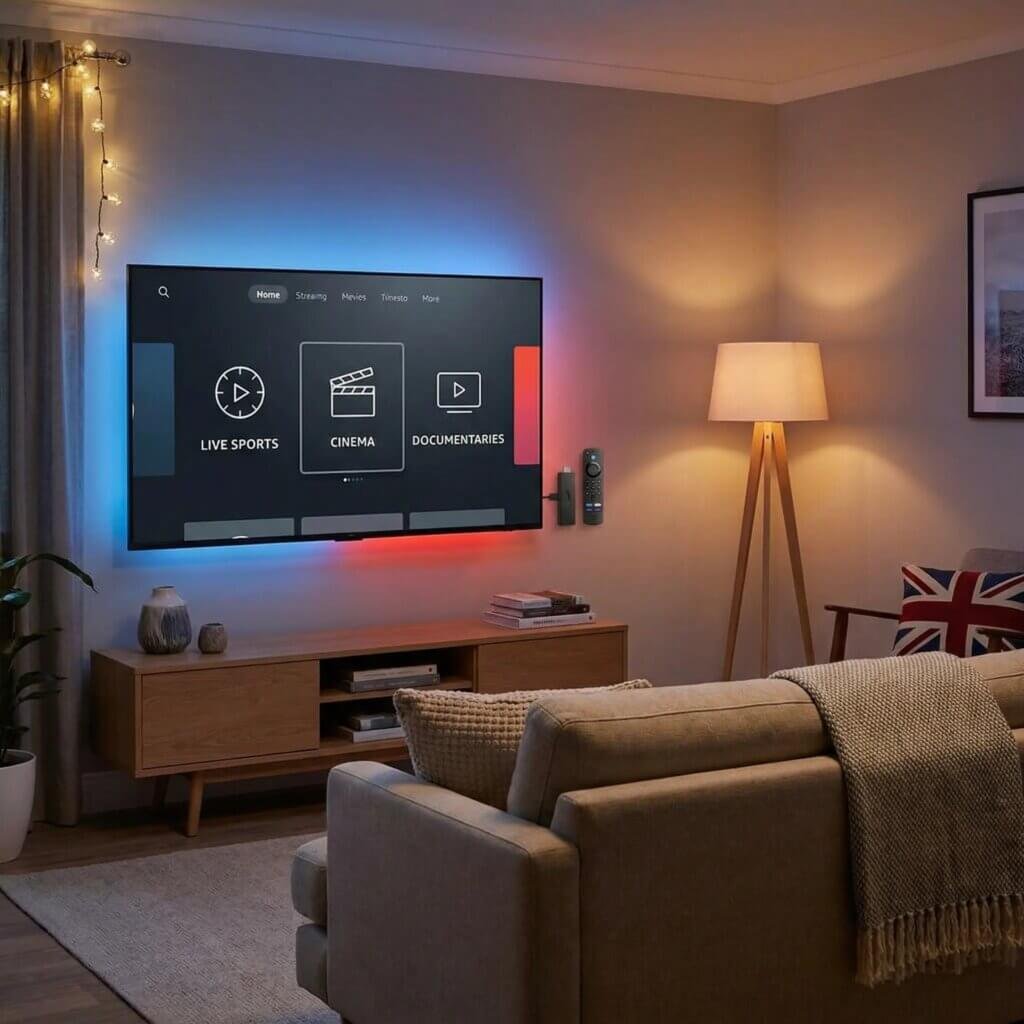
Advantages and trade-offs of adopting DVB-T2 in your hotel
4k media Tv gives your guests sharper video, clearer audio, and more channels from the same spectrum. It also improves reception in challenging areas and supports higher resolutions like 4K.
Benefits:
- Better guest experience with higher picture/audio quality.
- Greater channel capacity without extra spectrum.
- Improved signal robustness for mobile or fringe reception.
Drawbacks:
- Upgrade costs for headend and distribution gear can be substantial.
- Transition complexity if you must simulcast DVB-T and DVB-T2.
- Guest device compatibility may require external tuners or replacements.
Advantages for your property
Upgrading broadcast systems delivers a noticeable boost to guest entertainment. You get sharper video and clearer audio thanks to modern codecs, so guests enjoy a more immersive in-room viewing experience.
You can present a broader mix of channels and on-demand titles, letting you tailor content to different guest tastes and nationalities. That flexibility helps you meet expectations for both leisure and business travelers.
Improved transmission methods reduce dropouts and interference, giving guests steadier reception across rooms and floors. Consistent playback and fewer complaints mean less workload for staff and fewer service calls.
- Higher-quality AV for a premium feel
- More content choices to satisfy diverse guests
- Greater reliability to lower maintenance and support needs
Challenges for Your Hotel
Upgrading guest-room entertainment can strain your budget. Replacing set-top boxes, antennas, and older receivers with newer digital-compatible units often involves sizable upfront costs. Even 4K media TV with higher resolution and modern codecs add to the expense when outfitting multiple rooms.
You may need to run two broadcast systems at once during a handover period. Some guests will still have rooms or devices that rely on the older broadcast standard, so you’ll likely maintain legacy transmissions while new infrastructure comes online. That dual operation raises both equipment and management complexity.
Expect higher operational overhead while systems coexist. Managing parallel networks, scheduling maintenance, and troubleshooting incompatibilities between old and new gear requires extra staff time or external support. You might also face temporary disruptions or inconsistent picture and sound quality as components are swapped out.
Ways to limit impact:
- Plan phased rollouts to spread capital costs.
- Prioritize high-occupancy areas or premium rooms first.
- Negotiate bulk purchase and service contracts to reduce per-unit price.
Balancing guest expectations with financial and logistical realities will help you make pragmatic upgrade decisions.
What’s a practical, low-cost path to move to DVB-T2?
Switching to DVB-T2 can be managed without large capital outlay by blending targeted upgrades with IP-based distribution. Start by assessing your existing headend and antenna infrastructure to identify reusable components and bottlenecks.
Consider a hybrid approach: keep terrestrial distribution where it’s cost-effective and add an IPTV layer for in-room delivery, on-demand, and personalized services. This reduces immediate transmitter or encoder replacements and lets you phase investments.
Practical steps:
- Audit current gear (transmitters, encoders, cabling, set‑top boxes).
- Prioritize fixes that restore coverage and compliance.
- Deploy an IP gateway to convert DVB-T2 or other sources into multicast/HTTP streams for rooms and smart TVs.
- Roll out guest-facing features (catch‑up, channel lists, branding) gradually.
Benefits include lower upfront costs, faster guest continuity, and smoother future upgrades.